Root canal treatment is performed when the nerve inside the tooth is damaged or dies and this can then cause the tooth to becomes infected or for an abscess to form at the root of the tooth. You may not feel any pain when the infection first starts.
Although you may get some sensitivity, swelling or a minor ache. Root canal treatment is often carried out by your dentist however if you have a complex case they may refer you to an endodontist, who specialises in root canal treatment, to ensure the best possible result.
If the pulp of a tooth becomes infected, the infection can spread throughout the tooth and cause abscesses. If root canal treatment is not carried out the infection will spread and can lead to the tooth needing to be extracted.
Treatment
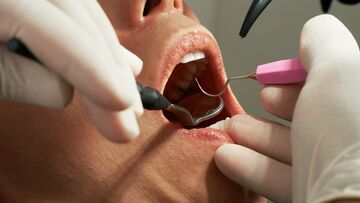
When you attend for root canal treatment, all treatment will be carried out under local anaesthetic which means that you will not feel any pain. The tooth is then opened and narrow files are used to remove the damaged nerve and clean the tooth. Disinfectants are placed into the tooth to ensure that the bacteria present are removed.
The dentist may then put in place a disinfectant dressing which will be left for a week covered with a temporary filling to ensure that all the infection has been removed. They may also prescribe antibiotics to further help remove the infection.
The dentist will then fill the cavity where the pulp was with a material called Gutta Percha to prevent bacteria re-infecting the space where the nerve has been removed. The tooth will then be covered with a filling to seal and protect the tooth from further bacteria getting in.
The alternative to root canal treatment is to have the tooth extracted as once the pulp is destroyed it cannot heal itself and it is not recommended to leave an infected tooth in the mouth as the infection can spread to neighbouring teeth. However, it is always better to try and keep your natural teeth where possible.
Following treatment
You may feel some tenderness following treatment but this should improve within a day or two and can be managed using over the counter painkillers. Root canal treatment is usually successful. If the infection returns it is sometimes possible to re root treat the tooth. If this is not possible the tooth will need to be extracted.
Due to the absence of the nerve supply the tooth can become brittle so it is recommended that following treatment the tooth in question is crowned to help strengthen and protect it. However, crowning the tooth is not essential and is entirely your choice. Root filled teeth can also become darker following root canal treatment. If you are worried about this we would once again recommend a crown, or bleaching to make it lighter again.
If you would like to find out more about Root canal treatment or need to book a consultation. Call Leigh Dental Centre today on 01702 472929
Contact us to make an appointment
Exclusive Offer
Airflow stain removal from our hygienist



Time for you perfect smile?
Book your consultation today
When visiting our practice you know you are visiting the dental professionals trained to the highest standards. You are greeted by our welcoming staff, who share the same aim, to make your visit with us as comfortable and stress free as possible.